civil-litigationdebt-recovery

How to Collect a Debt in Alberta (Legal Options)

Unpaid debts can impact cash flow and financial stability. Alberta law provides several mechanisms to recover funds, but timing and strategy are critical.
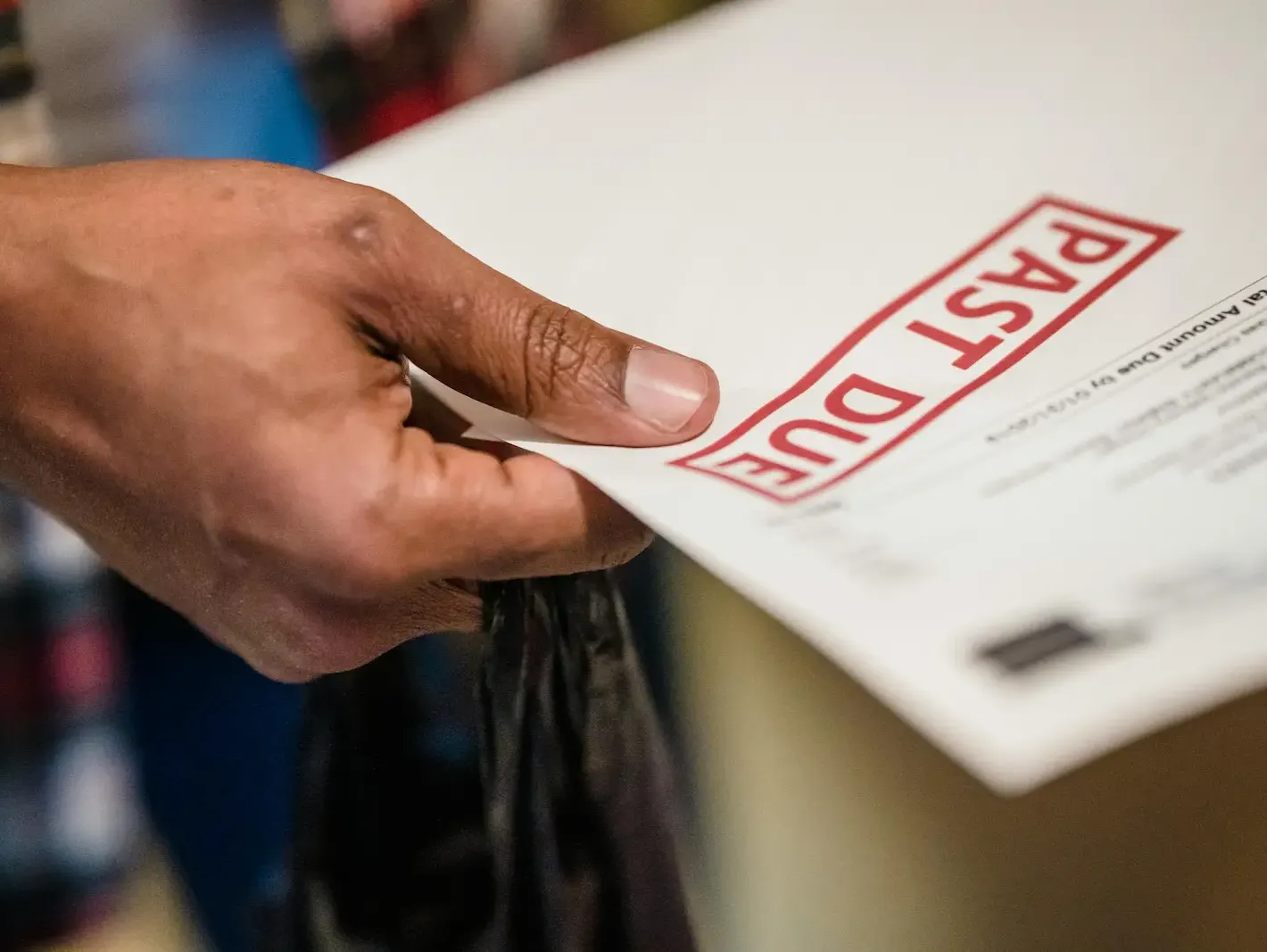
Past-due invoice paperwork — debt recovery in Alberta
Share on Facebook

Introduction

Unpaid debts can impact cash flow and financial stability. Alberta law provides several mechanisms to recover funds, but timing and strategy are critical.

Step 1: Demand for Payment

A formal demand letter is often the first step. This can prompt resolution without legal proceedings.

Step 2: Filing a Claim

If payment is not made, a claim may be filed in the appropriate court depending on the amount.

Step 3: Obtaining Judgment

If successful, the court grants a judgment confirming the debt owed.

Step 4: Enforcement Options

Enforcement may include:

  • Garnishment of wages or accounts
  • Seizure of assets
  • Registration against property

Common Challenges

  • Debtor insolvency
  • Hidden assets
  • Delay tactics

Strategic Approach

Not all debts are worth pursuing. A legal assessment should consider:

  • Likelihood of recovery
  • Costs vs benefit
  • Available enforcement options

We act on debt recovery matters requiring structured legal action. Contact Edmonton Top Law to assess recovery options.

Related posts

When Should You Settle vs Go to Court?

When Should You Settle vs Go to Court?

Deciding whether to settle or proceed to court is one of the most important strategic decisions in any legal dispute.
What Happens When Someone Breaches a Contract?

What Happens When Someone Breaches a Contract?

A breach of contract can result in financial loss, operational disruption, and legal exposure. Immediate action is often required to protect your position.
How Long Does a Lawsuit Take in Alberta?

How Long Does a Lawsuit Take in Alberta?

How long a lawsuit takes in Alberta depends on complexity, cooperation between parties, and court scheduling. Here's what to expect at each stage.